
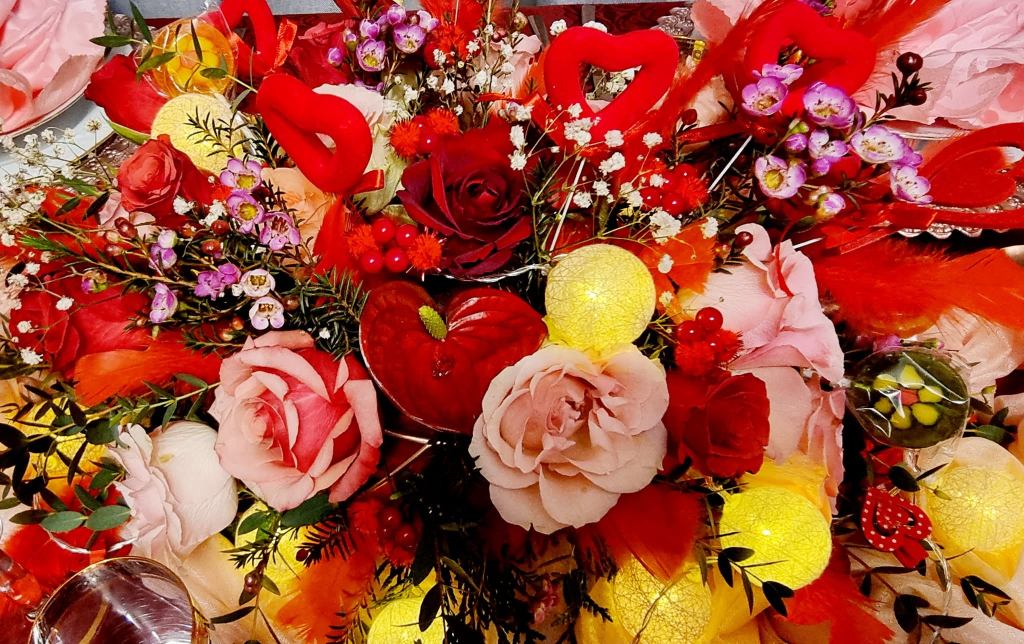
The day of love and hearts sparks various reflections, including expectations in romantic relationships. We often hear: “And then they got married and lived happily ever after.” These are the happy endings we expect when reading fairy tales, novels, or watching romantic movies. Such stories sell the idea of perfect, mutually supportive relationships where partners understand each other without words. It’s a beautiful notion, yet reality—real relationships between two living, feeling people—is something entirely different.
In truth, a relationship only truly begins when a couple starts living together. At first, everything feels wonderful, fueled by idealization. But then, idealization gradually fades, making way for devaluation, and challenges begin to surface. Relationships can turn into subtle “competitions” or “contests”—who is in charge, who has it the hardest, or who invests the most time and energy. A significant challenge also arises when unresolved anger gets unloaded onto the closest person—usually the partner. Frustrations from work or family dynamics are carried home and “poured” over the partner. And the more passionate the relationship, the stronger the emotions, the bigger the projections, and the more frequent the conflicts. A vicious cycle forms.
How to Break Free from This Cycle?
1️⃣ Self-awareness:
The most crucial step is working on oneself—understanding one’s own shadow and identifying which specific issues trigger emotional reactions. Once these triggers are recognized, it becomes easier to shift one’s attitude toward them, avoiding unnecessary conflicts.
2️⃣ Recognizing Relationship Dynamics & Cause-and-Effect Patterns:
Observing the relationship environment and understanding cause-and-effect connections is essential. For example, ask yourself: “What just happened to my partner? Why did their mood suddenly change?” Oh, right—their boss just denied them a promotion, which is why they’re feeling down. Recognizing such moments allows you to address the situation calmly, helping to neutralize tension in the relationship rather than reacting impulsively.
3️⃣ Mindful Communication in Conflict:
When addressing conflicts, try to express your feelings using “I statements” instead of “You always do this” or “You never listen.” Saying “I feel hurt when…” keeps the discussion from turning into an emotional attack and helps maintain a constructive conversation.
Some of you might already do this instinctively, while others may know these strategies but struggle to apply them in daily life. In any case, becoming aware of yourself and your relationship dynamics—and acting accordingly—requires focus and emotional energy. It’s not easy, but over time, it always pays off.
I wish you all love and patience, both with yourselves and within your relationships. May you remain curious in exploring yourself through your partnership, for only by understanding ourselves can we truly connect with another! 💕😊
 Psychotherapy
Leave a comment